Why Roof Insulation Matters for Your Home
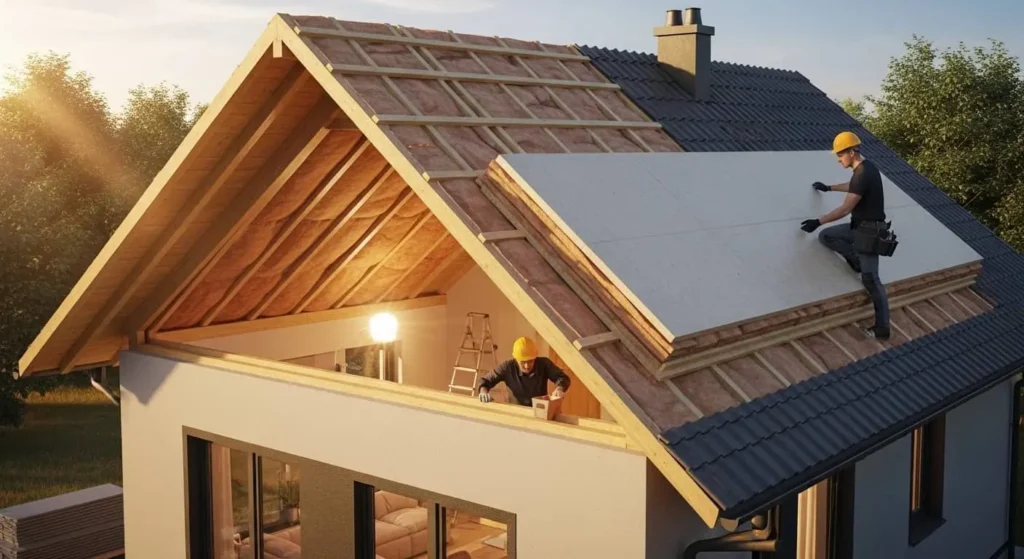
A well-insulated roof isn’t just about keeping your home warm in winter or cool in summer—it’s about comfort, energy savings, and protecting your home long-term. Roof insulation helps regulate indoor temperatures, reduces energy bills, and minimizes wear on your heating and cooling systems. Investing in proper insulation now can save you money and stress down the road, making your home more efficient and environmentally friendly.
We’ve all had that one room in the house. You know the one—it’s the “icebox” in the winter and a “sauna” in the summer. No matter how much you crank the thermostat, that room just won’t cooperate.
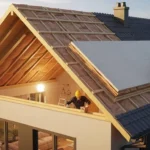
At Royal Premier Roofing & Construction LLC, we often find that homeowners blame their windows or their HVAC units, but the real culprit is hiding right over their heads. If your roof is the shield of your home, roof insulation is the padding that keeps the comfort inside.
Think of it this way: if your roof is a sturdy winter jacket, insulation is the fleece lining. Without it, you’re just wearing a thin shell in a blizzard.
What is Roof Insulation, Anyway? (The No-Nonsense Version)
In technical terms, people talk about roofing thermal protection and “R-values.” But in plain English? Insulation is a barrier. Its only job is to slow down the heat.
- In the Winter: It stops the expensive heat you’ve paid for from escaping through the ceiling.
- In the Summer: It stops the sun’s punishing heat from baking your living room.
When we talk about attic insulation, we’re talking about creating a thermal envelope. It’s the difference between your house feeling like a drafty tent and a solid, energy-efficient fortress.
Why “Good Enough” Usually Isn’t
Many older homes were built with just enough insulation to pass the codes of the 1970s or 80s. But homes “settle,” and older insulation materials like fiberglass batts can degrade or be shifted by pests and airflow.
If you haven’t looked in your attic in a decade, you might be surprised to find your “protection” has flattened out like an old pillow.
This is where roof heat loss prevention fails. When that barrier thins, your money literally drifts up through the rafters.
Choosing Your Roof Insulation: Popular Materials and Options
Not all insulation is created equal. Depending on your home’s personality (and your budget), there are a few ways to go:
1. Blown-In Cellulose (The Eco-Friendly Choice)
This is a favorite for eco-roofing solutions. It’s made mostly of recycled paper treated for fire resistance.
It’s great because it gets into all those tiny nooks and crannies that a standard roll of fiberglass might miss. It’s like filling your attic with a thick, warm blanket.
2. Fiberglass Batts (The Traditionalist)
The “pink stuff” everyone recognizes. It’s affordable and effective if installed perfectly. However, if there are gaps, heat will find them. It’s like wearing a button-down shirt—if one button is missing, the cold air gets in.
3. Spray Foam (The High-Performer)
If you want the gold standard of energy-efficient roofing, spray foam is the way to go. It expands to create an airtight seal.
It doesn’t just insulate; it stops drafts in their tracks. It’s more of an investment upfront, but the “peace of mind” and lower bills are immediate.
The “Human” Benefits: Why This Matters to Your Family
1. Ending the “Thermostat Wars.”
We’ve all lived through the struggle of one person being too hot while the other is freezing. Proper attic insulation stabilizes the temperature across your entire home.
It eliminates those “cold spots” and makes every room—even the ones furthest from the furnace—feel like part of the house again.
2. Quiet and Calm
One benefit people forget? Insulation is a fantastic sound dampener. If you live near a busy road or hate the sound of heavy rain hitting the roof, a well-insulated attic acts as a giant muffler. It makes your home feel more private, more solid, and much quieter.
3. Protecting Your Pocketbook
Let’s be real: we all want to save money. Investing in roofing thermal protection is one of the few home upgrades that actually pays you back. By reducing the strain on your furnace and AC, you aren’t just saving on your monthly bill—you’re extending the life of your expensive HVAC
equipment.
Signs Your Home is Losing Energy Without Proper Roof Insulation
You don’t need to be a contractor to spot the red flags. Keep an eye out for these:
- The “Melt Test”: In the winter, does the snow on your roof melt faster than your neighbor’s? That’s heat escaping.
- Cold Toes: If your floors or walls feel chilly to the touch even when the heat is on, your insulation is likely underperforming.
- The Dust Clue: If you see dark lines on your carpet or around baseboards, it can sometimes be “ghosting”—a sign that air is moving through your walls because the attic isn’t sealed.
The Royal Premier Promise
At Royal Premier Roofing & Construction LLC, we treat your attic like it’s our own. We don’t just throw some material up there and leave. We look for the gaps, we check for moisture, and we ensure your home is wrapped in the best protection possible.Because at the end of the day, you shouldn’t have to think about your insulation. You should just be able to kick off your shoes, sit on the couch, and feel comfortable.